OCEANONE Design has been helping B2B manufacturers look like category leaders for 20+ years. Brand, campaign, and creative work for marketing directors who refuse to compete on price.





Most B2B manufacturers don't need a 40-person agency. They need a senior creative team they can call when the pressure is on, the deadline is real, and the work has to actually move the business.
Most of our clients have a small in-house marketing team and a long list of things they can't get to. We slot in like a senior creative partner — bigger when you need it, smaller when you don't, always founder-led.
We've designed for window coverings, flooring, food & beverage, financial services, and a dozen adjacent categories. We don't need a six-week ramp on what your industry cares about.
The person you talk to is the person designing the work. No account team layer, no template factory, no "let me check with the team." When a marketing director says "we need this Tuesday," that means something here.
We don't pretend to be a full-service agency. We do six things very well, for clients who'd rather hire specialists than generalists.
Logos, brand systems, visual identity, and the strategic positioning that anchors them — built to outlast a marketing director's tenure.
Brochures, catalogs, tradeshow graphics, sales materials. The unglamorous everyday work that quietly determines whether you look serious.
Websites, landing pages, banner ads, email campaigns. Built to look correct in 2026 and survive five years of incremental updates.
Brand films, explainer videos, animated social, trade show motion. Growing fastest in our practice — and increasingly where attention lives.
Multi-channel campaign concepts and asset systems. Print, digital, and social pulled into one coherent visual story — not three.
The "extended team" retainer. You get senior creative on call for the steady stream of requests no in-house team can keep up with alone.
A small sample of the brands we've worked with — many of our relationships go back a decade or more.
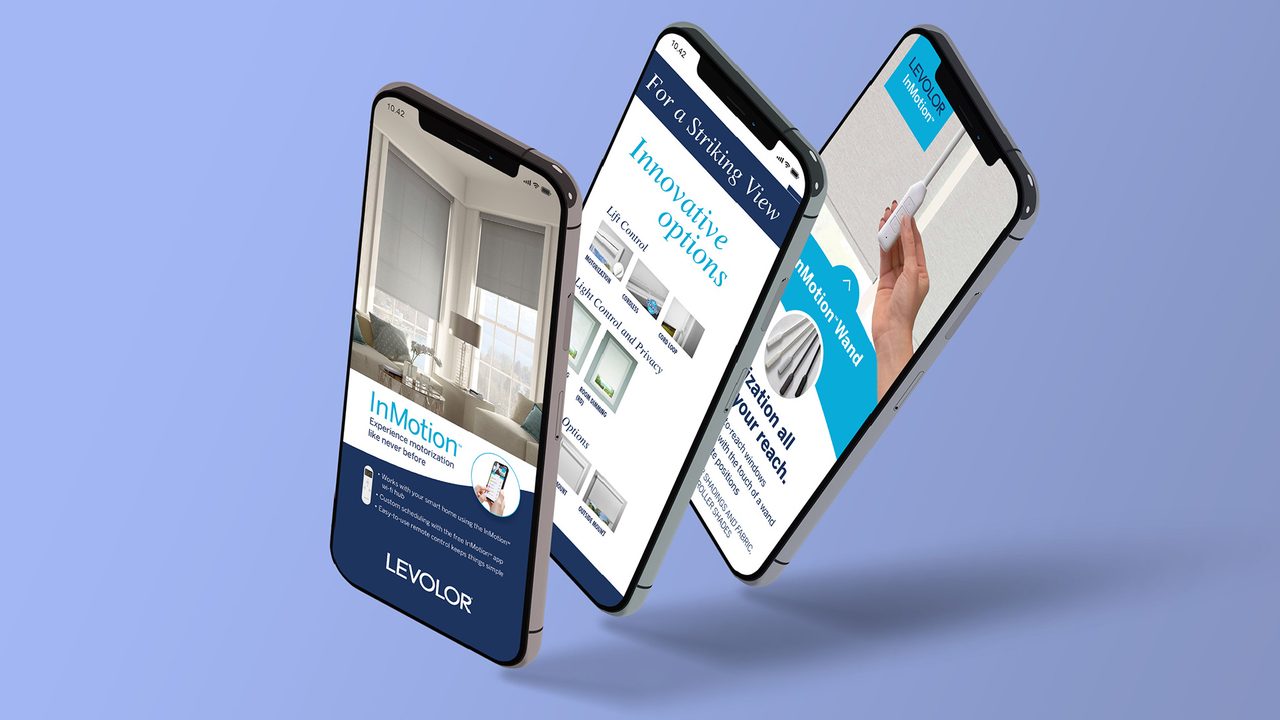
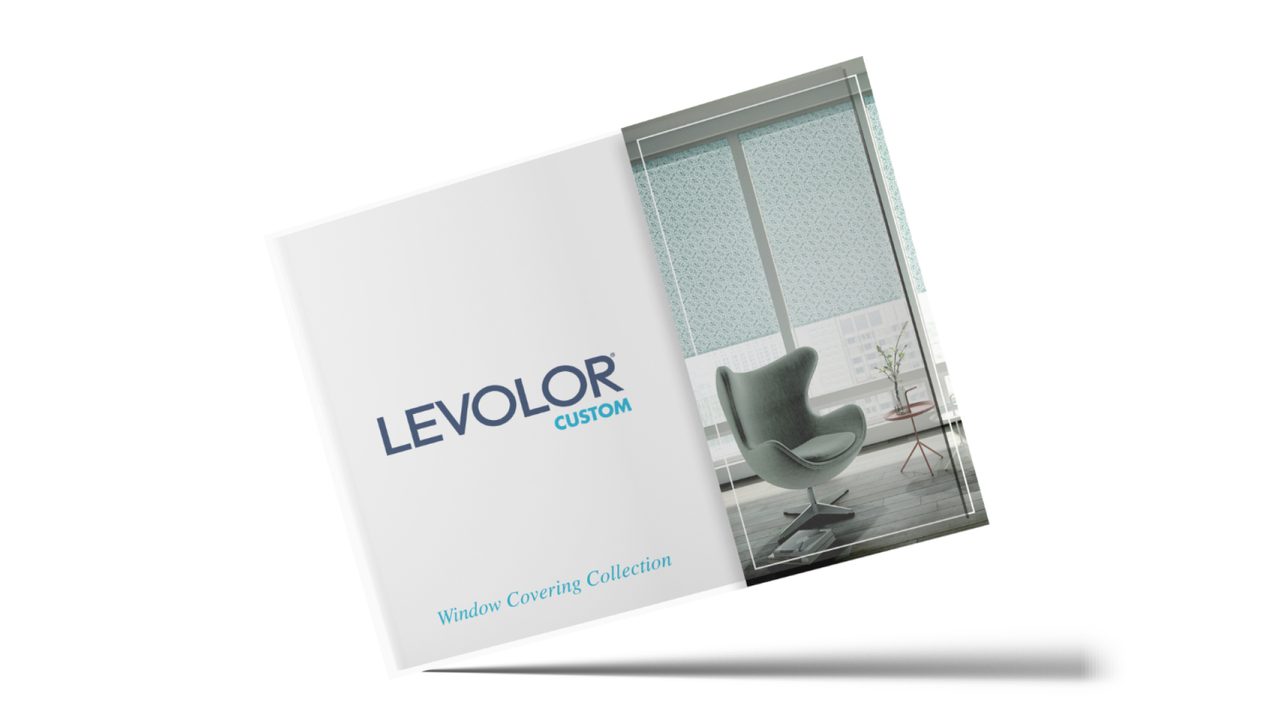
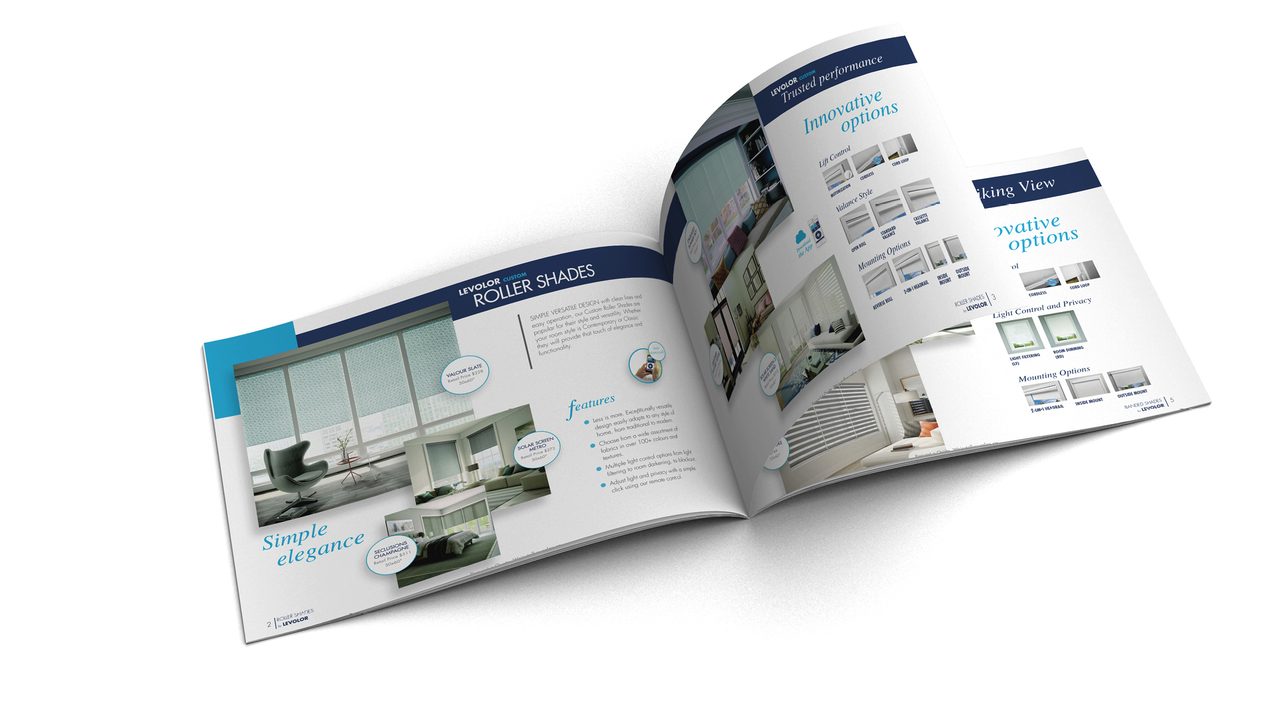
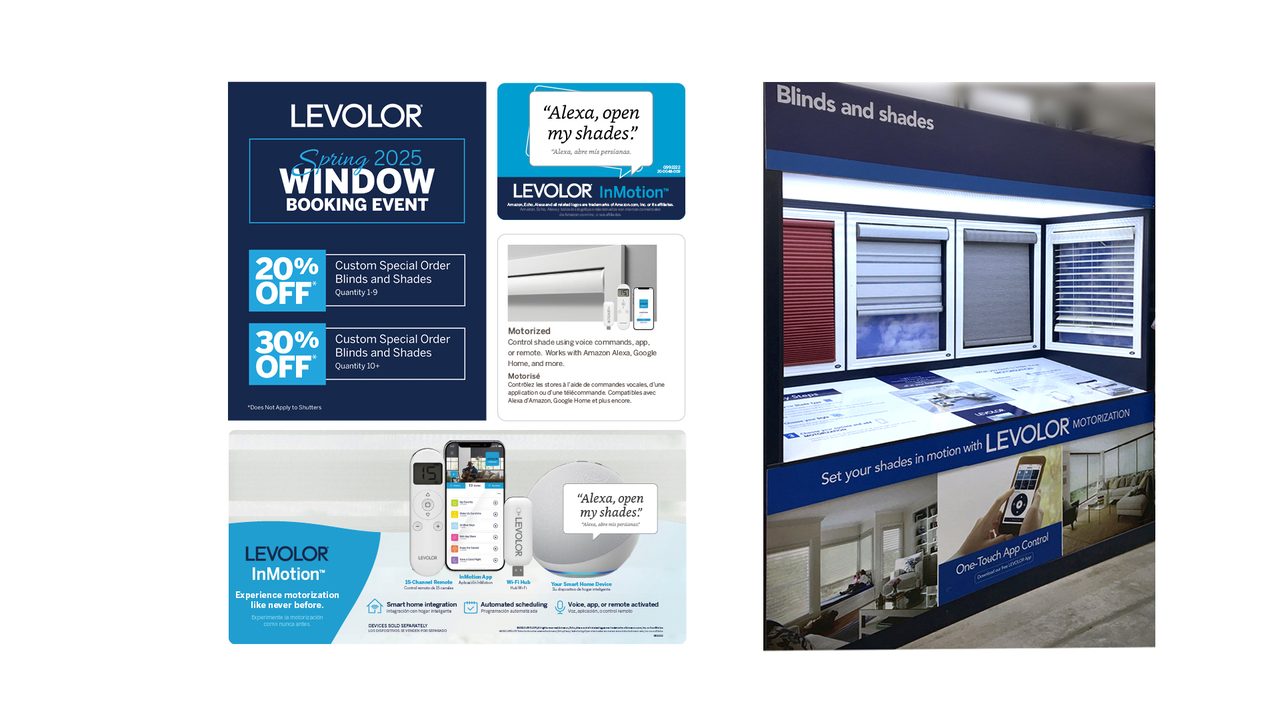
Long-running creative partnership covering product launches, sell-sheets, packaging support, and channel marketing assets across big box retailers and online marketing.
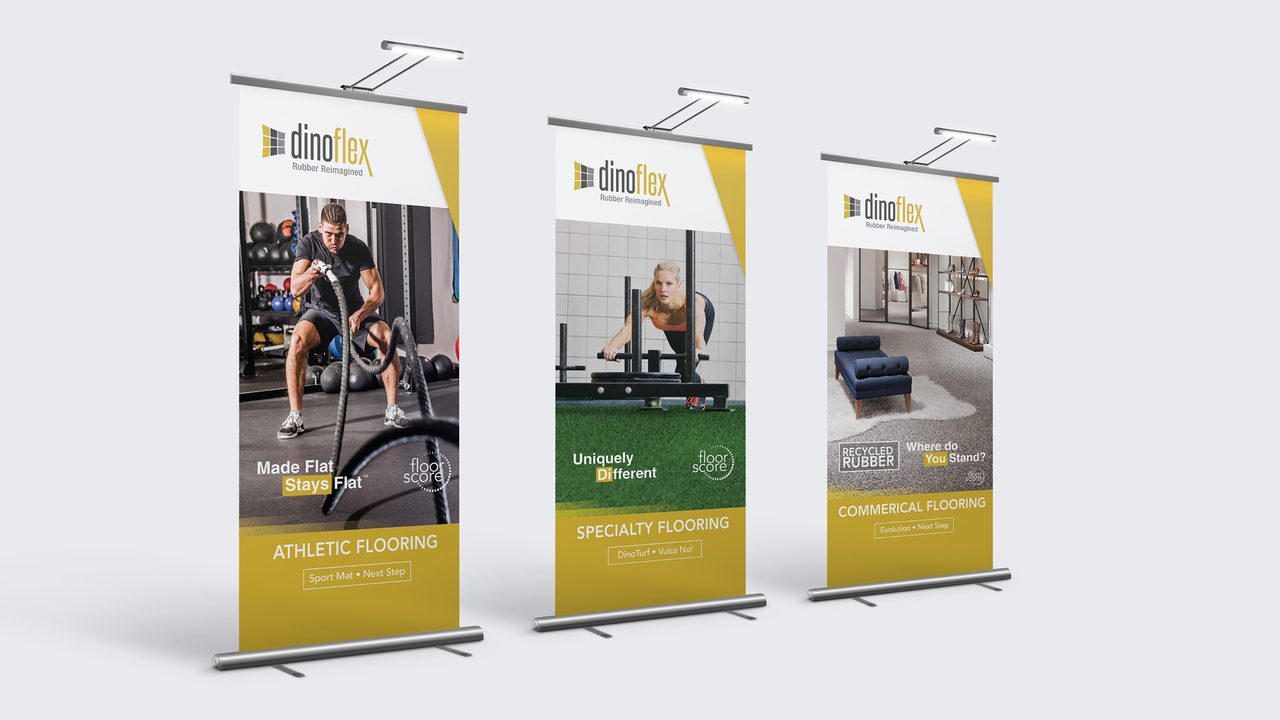
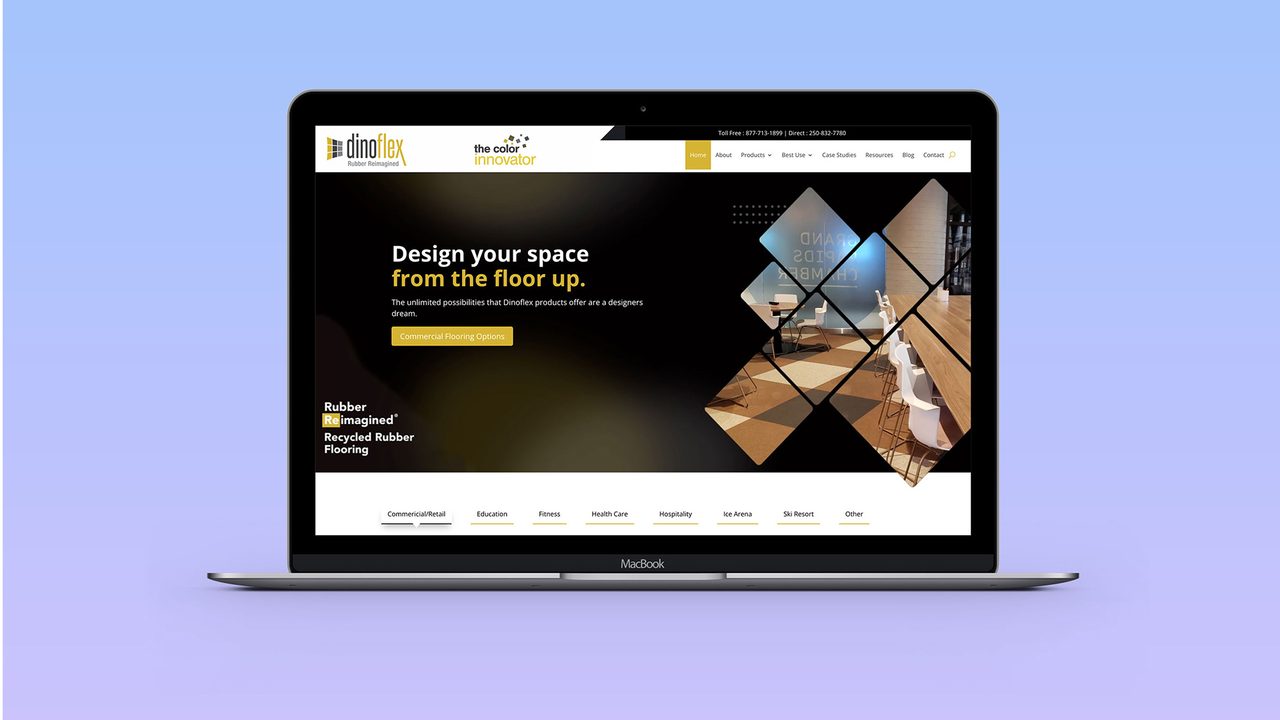
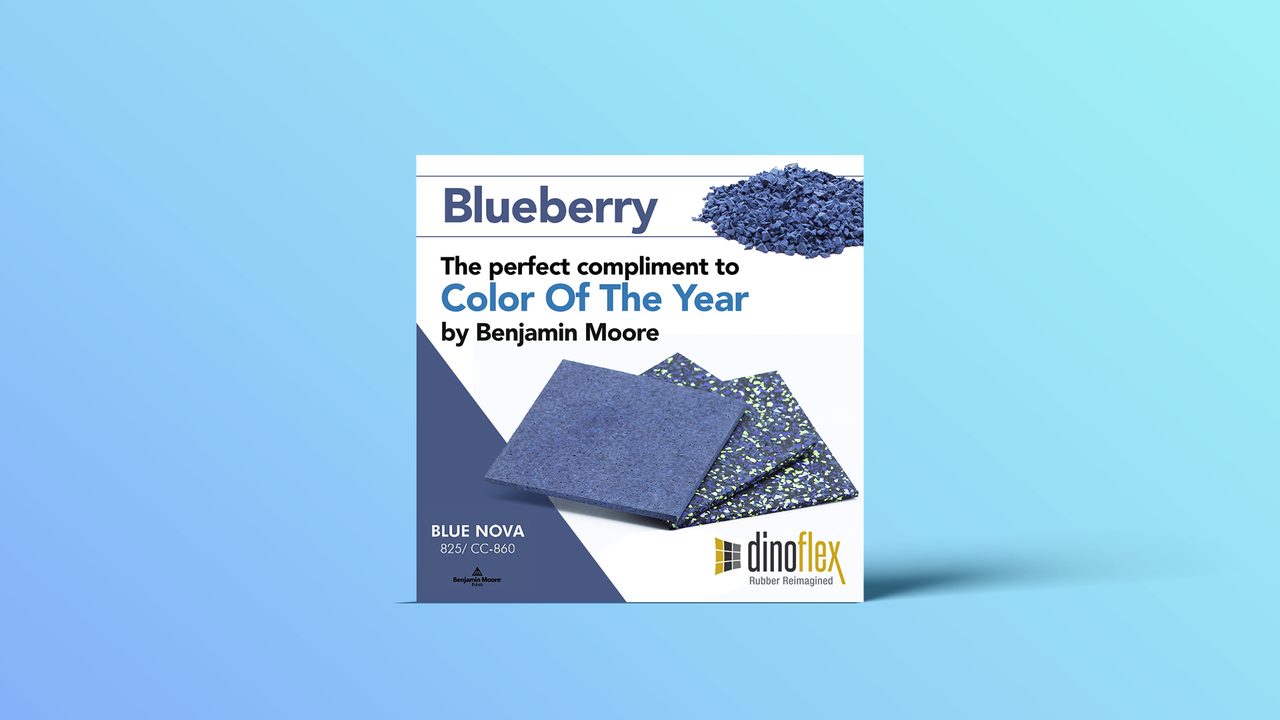
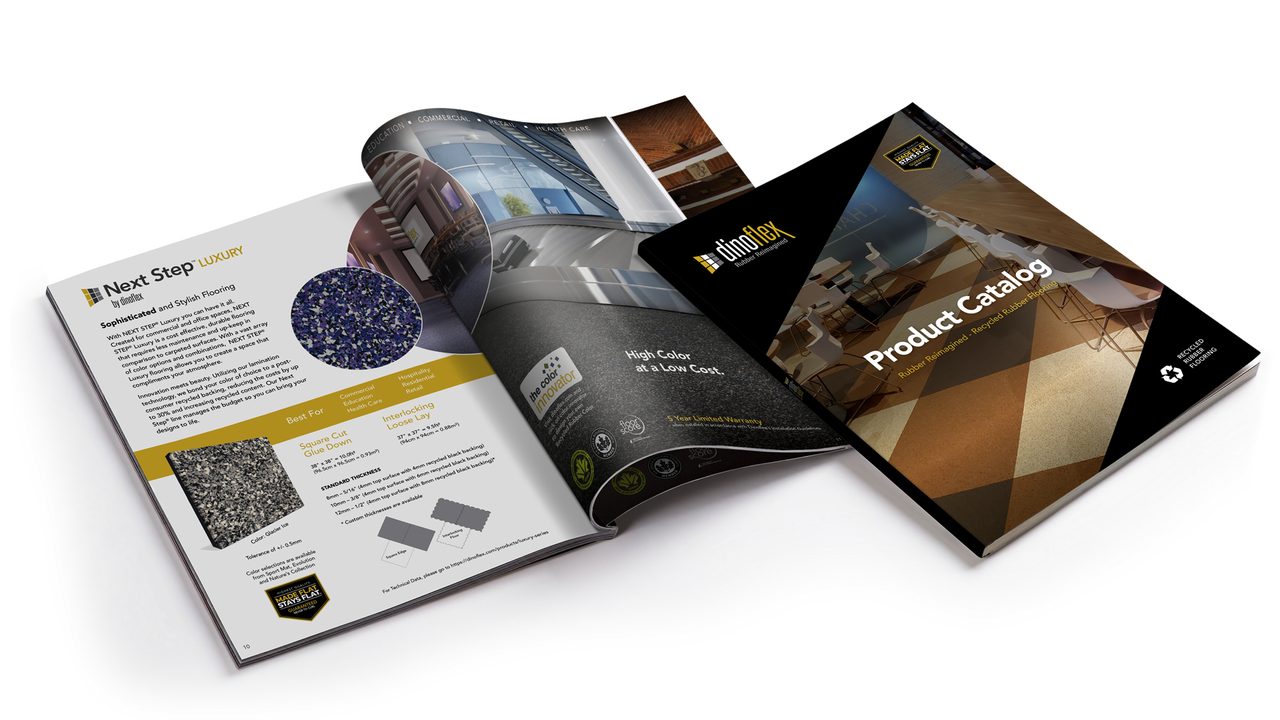
Brand identity and marketing collateral, website design, trade show graphics and more for a leading manufacturer in commercial flooring.
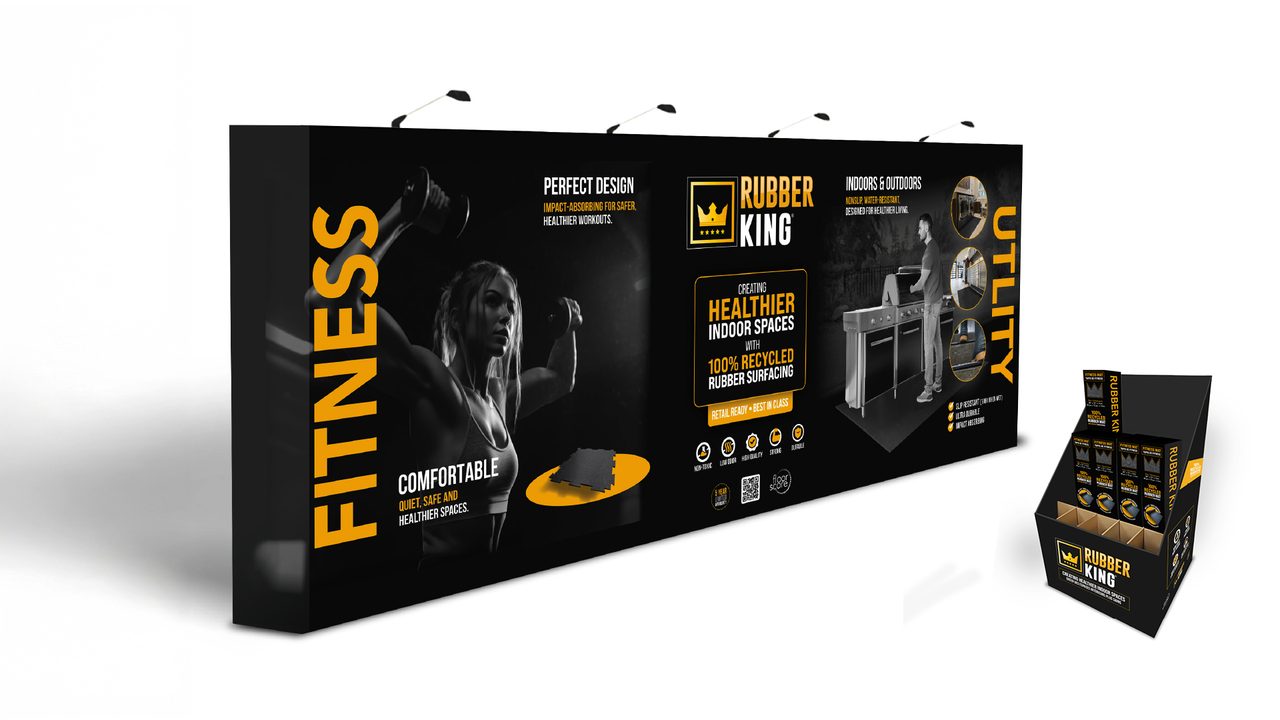
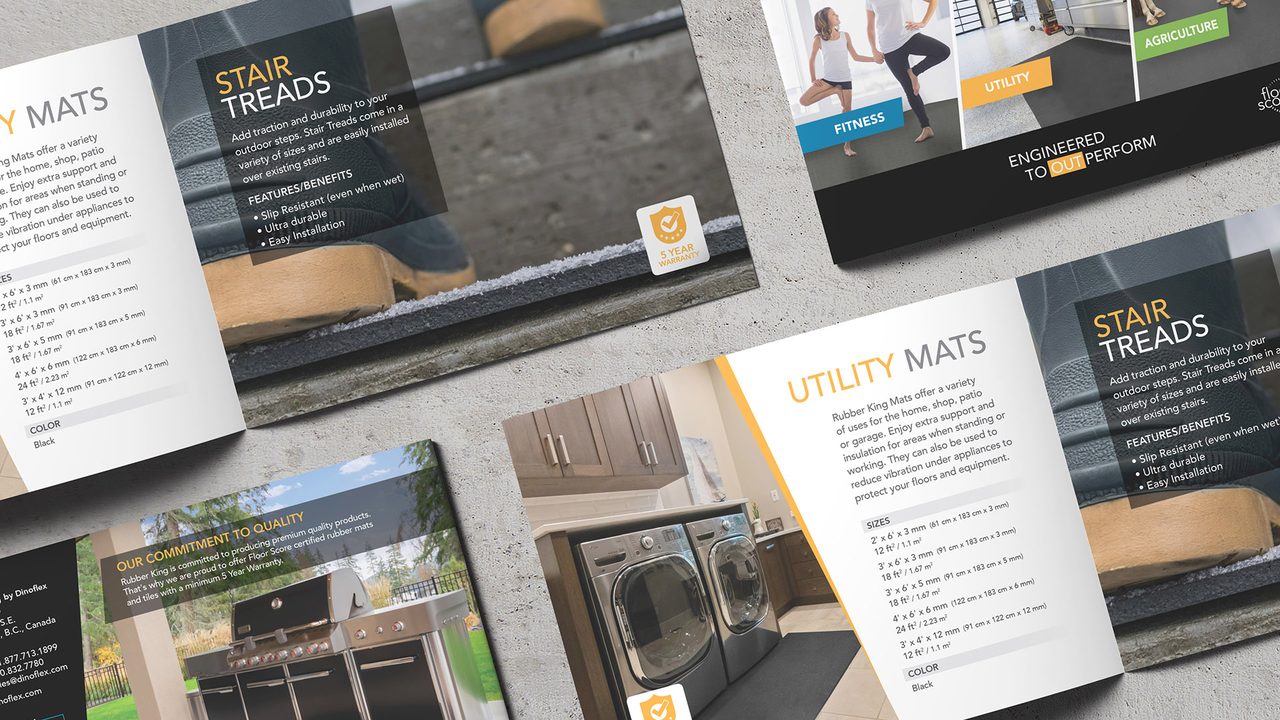
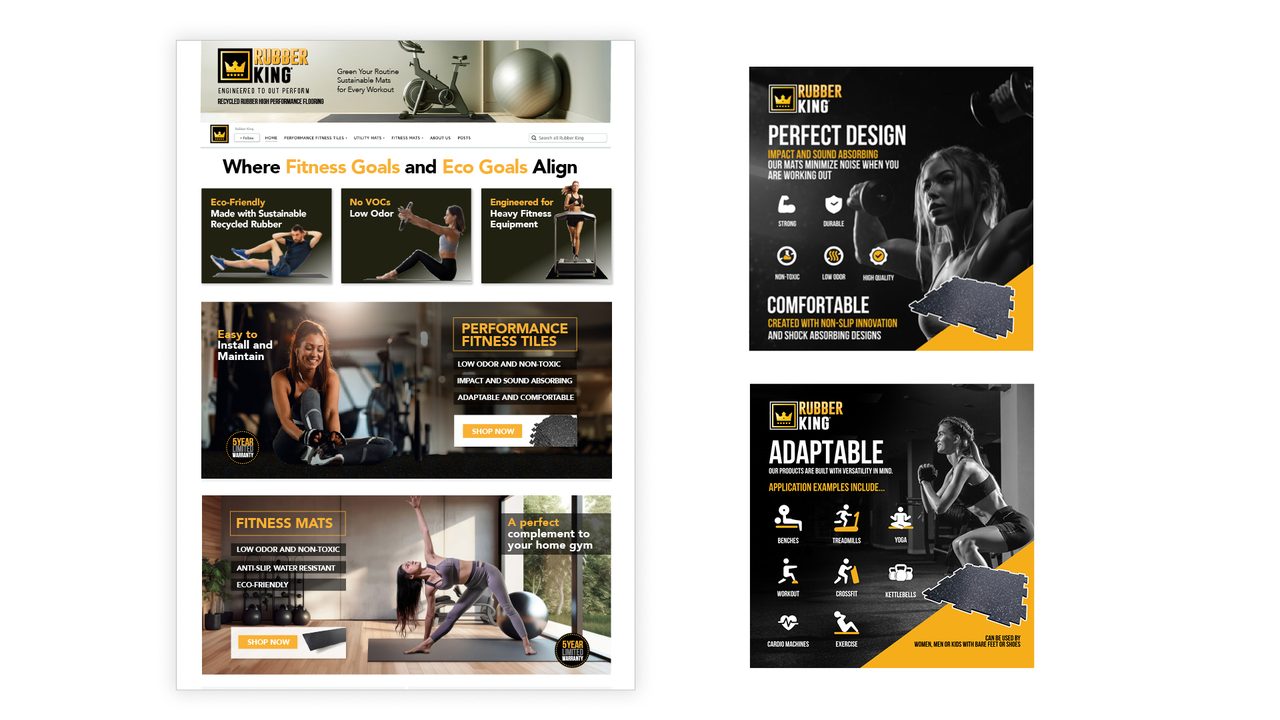
On-going creative partnership covering product launches, sell-sheets, packaging support, and channel marketing assets including Amazon Store development.
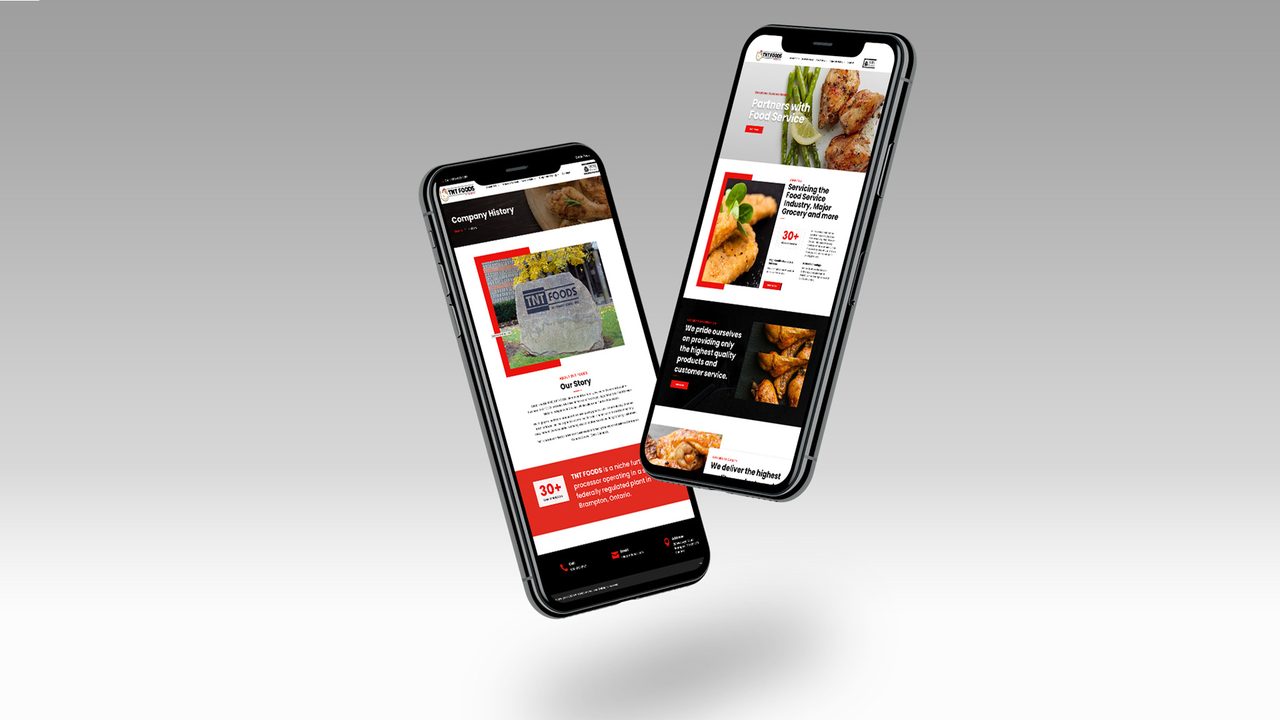
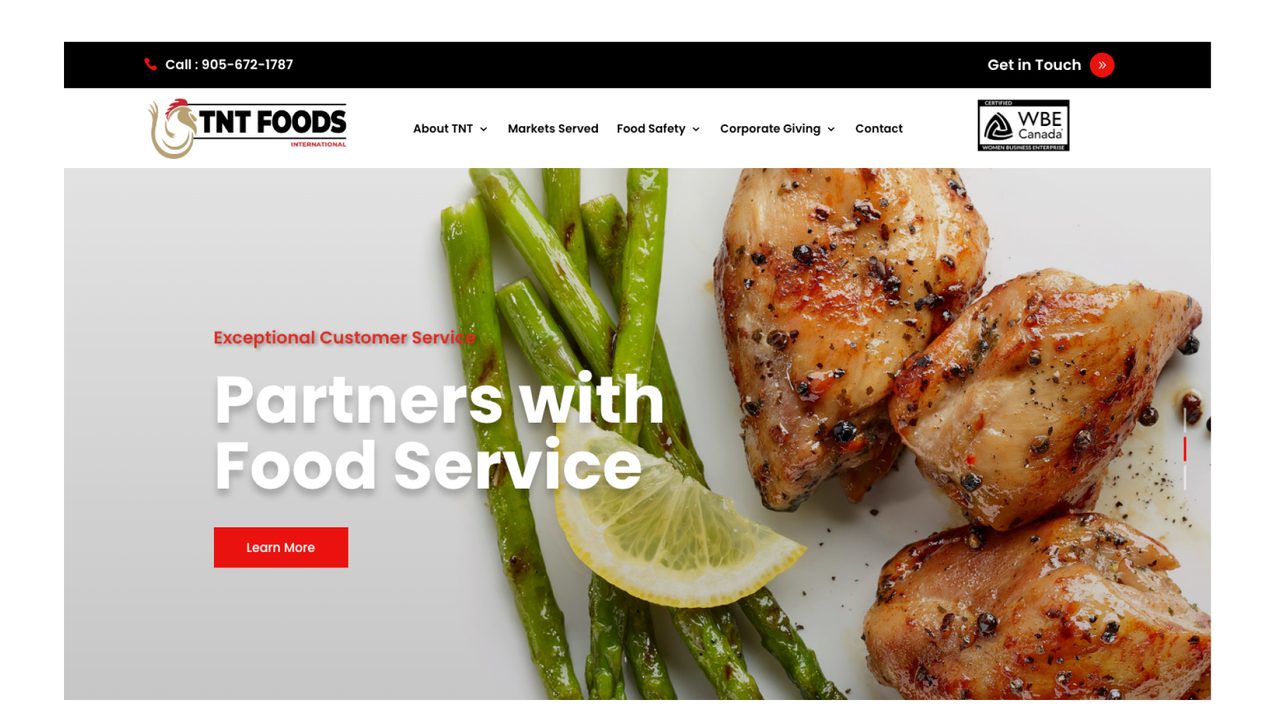
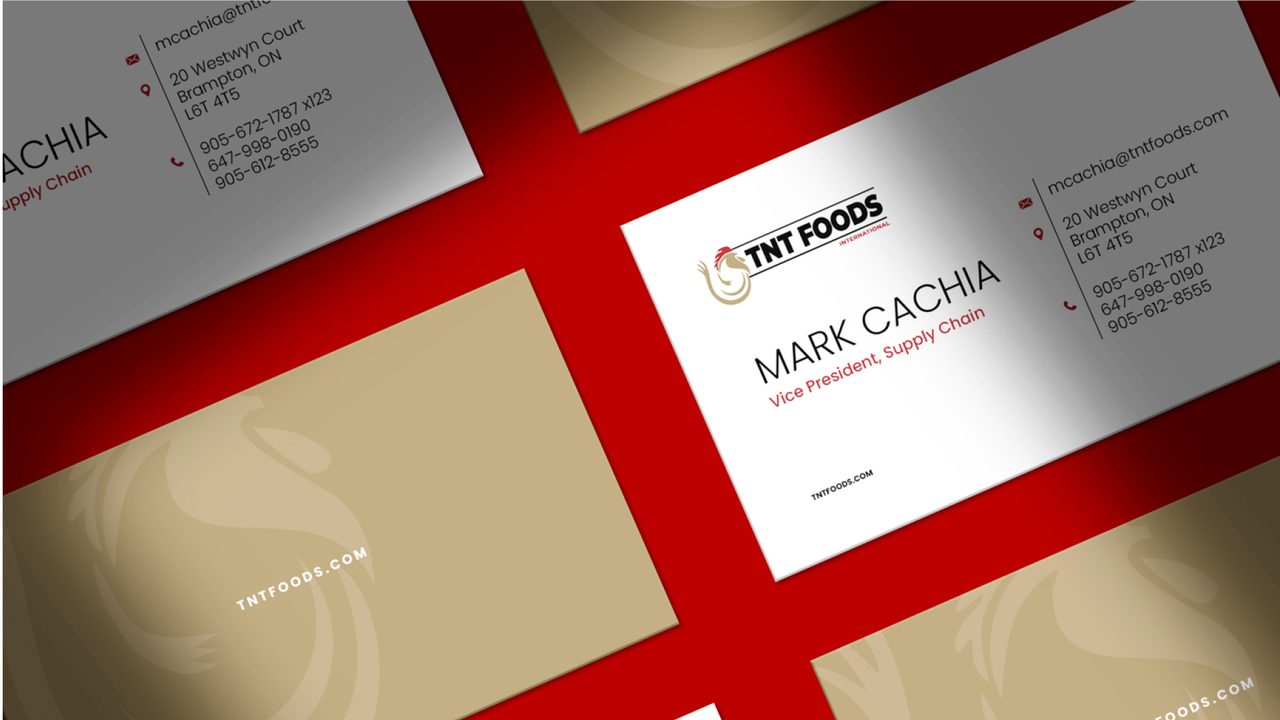
Long-running creative partnership covering product launches, sell-sheets, packaging support, and website development to keep the brand modern.
While you're here — we've published four free AI-powered tools that encode the questions our senior strategists ask when they audit a page, run a design sprint, plan a campaign, or sharpen a post. No signup for previews. Built on the OCEANONE playbook.
Explore the tools →Most of our clients have been with us for 10 years or more. Not because we lock them in — there are no long-term contracts. Because the work is good, the response is fast, and there's no rebuilding of context every quarter.
It's the same reason marketing directors who change companies often bring us with them. The relationship outlasts their job title.
If one of these tools surfaced a problem worth fixing, let us fix one of them — free. We'll redesign one section of a page, one campaign asset, or a social graphic, with no obligation. It's how we start most client relationships.